
Many pool owners worry about their electricity bill, often assuming that the pool pump is a major contributor to high energy costs. However, this is a common misconception. Let’s break down how your pool pump operates and why proper circulation is essential for maintaining clean and healthy water.
The Role of Your Pool Pump
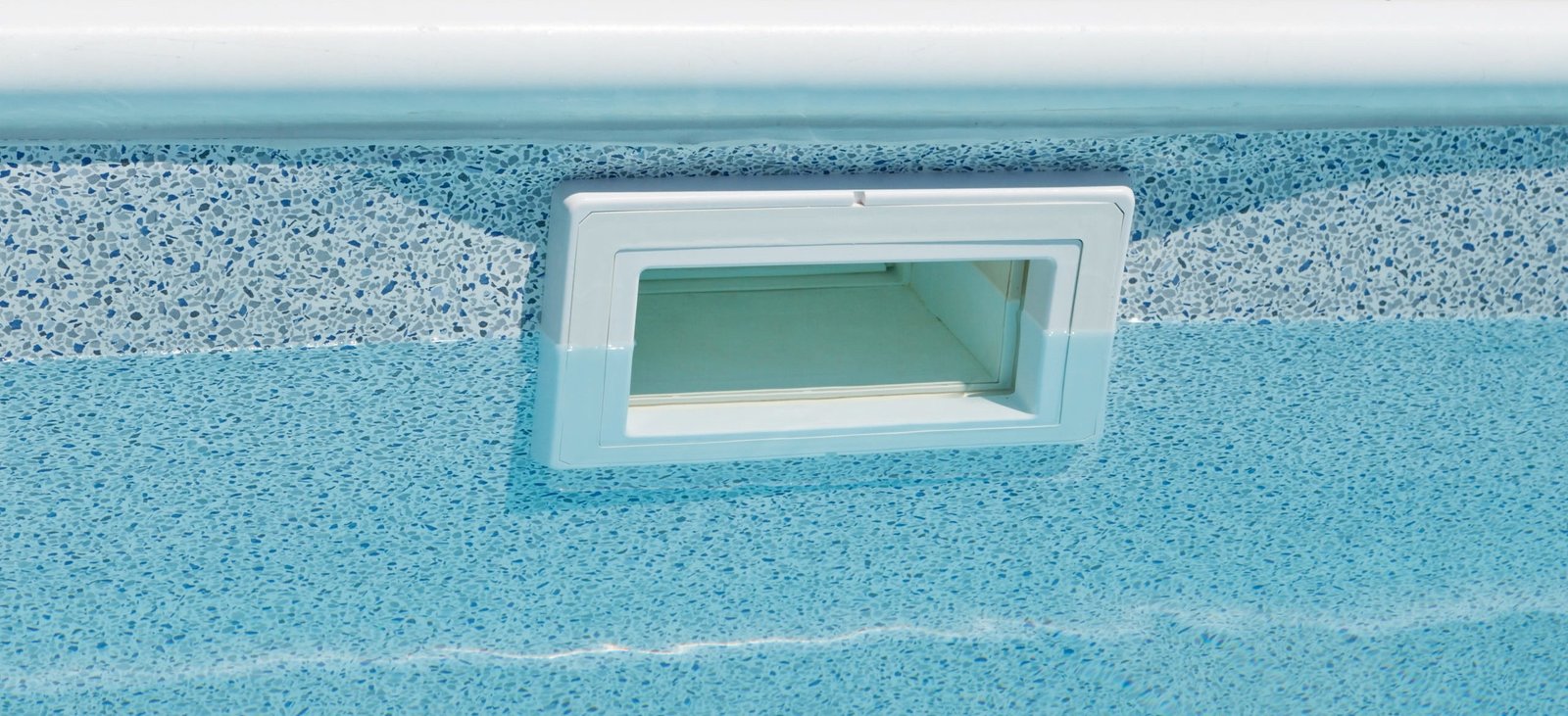
Your pool pump and filtration system work together to circulate and clean the water. Regardless of whether you frequently use the pool or not, proper circulation is necessary to prevent algae growth and keep the water clear. The more you use the pool, the more filtration is required, but even with minimal use, daily circulation is essential.
Why Your Pump Runs for Several Hours a Day
Currently, your pool pump runs for 8 hours a day, which is actually a reduced setting for cooler months. In the summer, when temperatures rise, 10 hours of filtration per day is typically needed. Warmer weather encourages algae growth and increases organic debris in the water, making extended filtration even more important.
How Much Does Your Pool Pump Actually Cost?
To better understand the cost, Florida Power & Light (FPL) provides an online pool pump energy calculator. Based on their data, a pool pump running 8 hours per day costs approximately $58 per month. You can verify this yourself using FPL’s tools:
To calculate the operating cost of your pool pump in Boca Raton, FL, follow these steps:
Step 1: Determine Your Pump’s Power Consumption
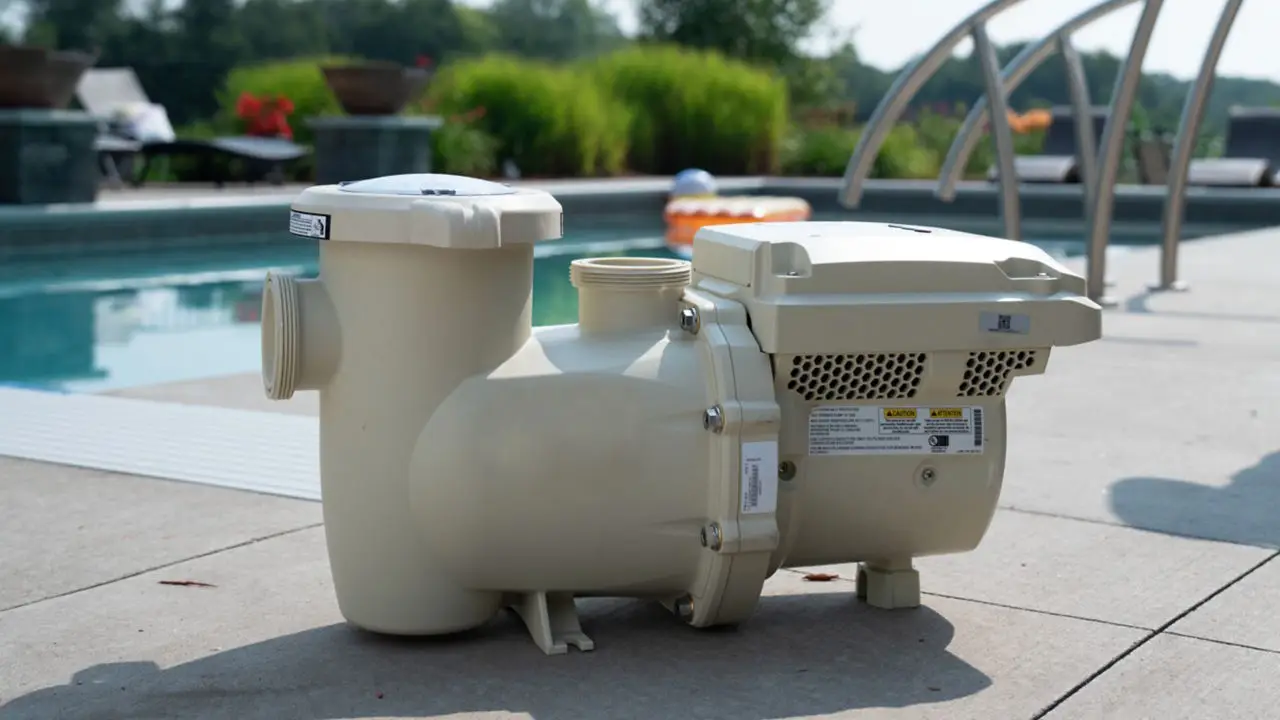
Pool pumps are rated in watts (W) or kilowatts (kW).
- A typical single-speed pool pump uses about 1.5 to 2.5 kW per hour.
- Variable-speed pumps are more energy-efficient, using around 0.5 to 1.5 kW per hour (depending on the speed setting).
You can check the pump’s motor label or the manual to find its exact wattage.
Step 2: Find Out How Many Hours Your Pump Runs Daily
Most pool pumps in Florida run between 8 to 10 hours per day, depending on the season.
Step 3: Check the Local Electricity Rate
- For example, FPL (Florida Power & Light) charges an average of $0.15 per kWh (as of recent data). You can confirm the exact rate on your electricity bill or FPL’s website.
Step 4: Calculate the Monthly Cost
Monthly Cost=kW rating×Hours per day×Days per month×Electricity Rate\text{Monthly Cost} = \text{kW rating} \times \text{Hours per day} \times \text{Days per month} \times \text{Electricity Rate}Monthly Cost=kW rating×Hours per day×Days per month×Electricity Rate
Example Calculation:
If you have a 1.5 kW pump running 8 hours/day at $0.15 per kWh:
1.5×8×30×0.15=$54 per month1.5 \times 8 \times 30 \times 0.15 = \text{\$54 per month}1.5×8×30×0.15=$54 per month
If your pump runs 10 hours per day, the cost increases to $67.50 per month.
What Happens If You Reduce Pump Run Time?
Reducing filtration time can lead to cloudy or green water, requiring costly chemical treatments and additional filtration to restore water clarity. This often results in higher overall costs than simply maintaining proper daily circulation.
Is Your Pool Pump Really Driving Up Your FPL Bill?
If your electricity bill has increased significantly, other household appliances or seasonal changes are more likely the cause. Pool pumps run consistently throughout the year, so they rarely contribute to sudden spikes in energy costs.
For expert advice on optimizing your pool’s circulation and energy efficiency, Pool by Pros is here to help. Contact us at contact@poolbypros.com for professional pool care and maintenance.